Narrow road access issues for Kingston rubbish vans
Posted on 11/06/2026
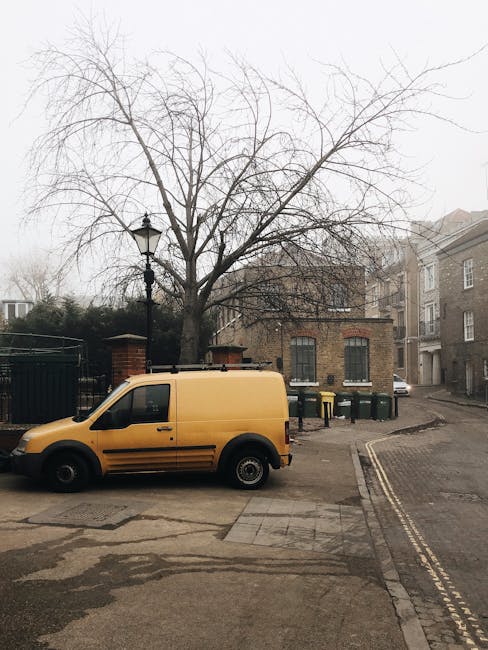
If you live or work in Kingston and your street is tight, awkward, or lined with parked cars, you already know the problem: getting a rubbish van close enough to load safely can be harder than clearing the waste itself. Narrow road access issues for Kingston rubbish vans are not just a driver inconvenience. They affect timing, safety, pricing, and whether a job can be completed in one visit or needs a different approach. In a place with a mix of residential terraces, apartment blocks, mews-style streets, and busier local roads, a little planning goes a very long way.
This guide breaks down what narrow-access collection really means, why it matters, how crews work around it, and what you can do to make a clearance smoother. You will also find a practical checklist, common mistakes to avoid, and a realistic example from a typical Kingston street. Nothing flashy. Just the sort of detail that saves headaches.

Why Narrow road access issues for Kingston rubbish vans Matters
Access is one of those things people only think about when it goes wrong. Then suddenly it is the main event. A van that cannot get near the property means more carrying distance, more time on site, and more chances for things to slow down. On a narrow Kingston road, that might mean a crew has to park further away, negotiate with neighbours, or split the load into smaller trips. None of that is dramatic, but it all adds up.
It matters for a few very practical reasons. First, safety. Rubbish teams need room to manoeuvre furniture, bags, appliances, and building waste without blocking traffic or creating trip hazards. Second, efficiency. A straightforward lift-and-load job becomes a longer hand-carry job very quickly. Third, cost. Not every company prices narrow access in the same way, so the way a job is assessed can influence the final quote.
There is also the local context. Kingston has streets that can be straightforward during quiet hours and a real pain during school runs, commuter traffic, or weekend shopping periods. One side of the road may have enough width; the other may not. Tiny details matter. A van could fit if cars are moved, but not if it arrives at the wrong time. That is why access questions should be asked before the team turns up rather than after someone is standing on the kerb scratching their head.
If you want a broader feel for local living and how the area shapes everyday services, the article on Kingston as a home with local perspectives and advice is a useful companion read.
How Narrow road access issues for Kingston rubbish vans Works
In practice, narrow access is assessed before and during the job. A collection crew will normally think about the width of the road, the turning space, the presence of parked vehicles, low branches, overhanging balconies, and how far the waste needs to be carried. It sounds basic, but these are the bits that determine whether a van can come close, stop briefly, or stay well away and rely on manual carrying.
Here is the simple version of how it usually works. You describe the access at the time of booking. If possible, you share photos or a clear description of the street, gate, driveway, alley, or shared entrance. The crew then decides what size vehicle, how many staff, and what loading method makes sense. On arrival, they may do a quick visual check before starting. If the road is tighter than expected, they adapt. That might mean a smaller vehicle, an earlier arrival, a different parking position, or a longer carry route from property to van.
For example, a flat above shops on a busier Kingston side street might need a team to park around the corner and wheel items using sacks, trolleys, or hand carries. By contrast, a house clearance on a narrow residential road may still work fine if neighbours can leave enough space for the van to stop safely. It is all about fit. Not just physical fit, but operational fit too.
This is also where service choice matters. A general services overview helps you see the range of collections that can be adapted to different access situations, from one-off rubbish removal to more involved clearances.
What crews usually look for
- Road width and whether the van can pass parked cars safely
- Space to stop without obstructing junctions, driveways, or crossings
- Distance from the waste pile to the vehicle
- Whether there is enough room for loading doors to open fully
- Any steps, tight corners, or uneven surfaces on the carry route
- Noise-sensitive times where extra caution may help
Key Benefits and Practical Advantages
It might sound odd to talk about benefits when the topic is access issues, but there are some real upsides to handling the problem properly. The biggest benefit is avoiding guesswork. When narrow access is considered early, the job is usually smoother, safer, and more predictable. No one enjoys the awkward moment when a van arrives and half the street is effectively unusable.
Another benefit is fewer delays. A team that knows in advance that a Kingston road is tight can plan the route, allow extra time, and bring the right equipment. That might include sack trucks, straps, gloves, protective boards, or a second pair of hands. Little things, but they make a difference. And yes, sometimes the difference is simply whether the job finishes before lunch or drifts into the afternoon.
There is also a customer comfort angle. Residents often worry about upsetting neighbours, blocking traffic, or creating mess in front of the house. A well-planned narrow-access collection reduces those worries. You are not left improvising in the middle of the pavement while somebody's bin lid bangs in the wind. It feels calmer, and that matters more than people admit.
For people comparing different ways to deal with bulky items, the benefit of a proper service is that you do not have to hire a vehicle yourself or drag waste to a distant collection point. You also reduce the risk of damage to walls, gates, flooring, or the rubbish itself. If you are handling furniture, appliances, or mixed waste, that is a big plus.
For those comparing costs and planning ahead, it may also help to read the site's guidance on pricing and quotes, especially where access conditions might affect the final arrangement.
Expert takeaway: In narrow streets, the best collection is rarely the one with the biggest van. It is the one that can get in, load safely, and leave without turning the road into a problem for everyone else.
Who This Is For and When It Makes Sense
Narrow road access planning is relevant for a lot of people in Kingston, not just owners of tiny cottages or basement flats. It matters if your property sits on a terrace street with parking pressure, if you are in a shared block with limited loading space, or if your waste is stored at the rear of the property and has to be carried through a side passage or alley.
It also makes sense for landlords, estate managers, builders, shopkeepers, office managers, and anyone dealing with bulky clearances. A small office strip-out can be surprisingly awkward if the only parking is on a tight road with a sharp bend nearby. Likewise, builders' waste often seems simple until bags of rubble need to be moved by hand from the back of a property to the van. That is when access planning stops being optional.
If you are clearing a loft, removing old furniture, or dealing with household rubbish after a move, narrow access can change the whole job shape. It is especially useful to think ahead if:
- the road is one-way or heavily parked
- there is no private driveway
- you live above shops or in a converted building
- the waste is at the rear of the property
- the job involves heavy or awkward items
- you need collection during a busy time of day
People often underestimate this at first. Then the sofa turns out to be the easy bit and the hallway becomes the real challenge. Happens all the time, to be fair.
If your job involves household contents, this house clearance service can be a sensible route because the team can plan around access rather than forcing the property into a one-size-fits-all approach.
Step-by-Step Guidance
If you want the collection to go smoothly, use a simple, practical process. Nothing fancy. Just a clean run-through of the important parts.
- Measure the access point
Check the narrowest part of the road, gateway, or passage. If you cannot measure exactly, give a visual description and mention anything that reduces width, such as parked cars, wheelie bins, or tight corners. - Describe where the waste is located
Front garden, rear yard, basement, loft hatch, third-floor flat, side alley - it all matters. The route from the waste to the van can be just as important as the road itself. - Share photos if you can
A couple of clear photos taken in daylight are often enough to help the crew judge whether a larger van is workable or whether a smaller vehicle would be smarter. - Flag awkward items early
Wardrobes, sofas, mattresses, fridge freezers, boilers, rubble bags - say what is involved. Heavy or oversized items can affect vehicle choice and staffing. - Choose a sensible time slot
Early morning or quieter periods may reduce the chance of blocked access. That is not always possible, but when it is, it helps. - Plan for neighbours and parking
If parking is tight, a quick heads-up to neighbours can prevent awkwardness. You do not need a street meeting, obviously. Just a bit of awareness. - Confirm the loading approach
Will the van be able to stop close by, or will the crew need to carry items further? Knowing this in advance helps everyone.
If you are arranging a mixed household job, the rubbish collection in Kingston upon Thames page is a useful reference point for typical collection types and expectations.
One small but important note: do not leave everything until the morning of the visit. If access is borderline, an early conversation can save the whole job. A ten-minute check now is better than a forty-minute shuffle later. Much better.
Expert Tips for Better Results
From experience, narrow-road jobs go best when the customer thinks like a planner and the crew thinks like a problem-solver. That sounds obvious, but you would be surprised how often one side assumes the other already knows the tricky bits.
Be precise about the route. Saying "tight street" is useful, but saying "parked cars on both sides, narrow turn halfway down, waste at the rear" is far better. The more specific you are, the less room there is for surprises.
Think about the load sequence. If your waste is spread across several rooms or floors, ask whether it should be gathered near the exit before the van arrives. Sometimes that saves a lot of back-and-forth. Sometimes it doesn't. Still worth checking.
Use daylight where possible. A narrow lane that looks manageable at 9am can feel very different after dusk, especially in winter. Reduced visibility makes parking and hand carrying more awkward. And, well, nobody wants to be balancing a broken wardrobe leg in the dark.
Leave a clear path. If the crew can move in one clean line from property to road, the job is usually faster and safer. It sounds simple, but loose shoes, plant pots, bikes, and recycling boxes can become surprising obstacles.
Keep bulky items together if practical. When waste is scattered across the site, it increases the carrying distance. Grouping similar items can make loading more efficient. Just don't block your own doorway while doing it.
Ask about the disposal mix. Some waste needs separate handling, and that can influence how the team loads the vehicle. For example, white goods, furniture, and builders' waste often need different approaches. If your job includes appliances, the white goods and appliance disposal page may be relevant.
Common Mistakes to Avoid
The most common mistake is underestimating access. People picture the van arriving neatly at the front door. In reality, the road may be full, the turning space may be tighter than expected, and the crew may have to work from the nearest safe stopping point instead.
Another frequent issue is hiding the awkward bits. If there is a steep ramp, a shared gate code problem, or a very narrow passage at the back, say so. It is better to sound fussy than to leave the crew guessing. One missing detail can cause a delay that affects the whole schedule.
Other mistakes include:
- booking without checking parking restrictions or loading space
- assuming a larger van is always better
- forgetting that time of day affects road access
- leaving waste in a place that is hard to reach on collection day
- not telling the team about stairs, tight corners, or low ceilings
- failing to separate items that need special handling
There is also a pricing mistake people make. They focus only on the headline figure and ignore the access conditions that can influence labour time, vehicle choice, or collection method. If that sounds familiar, the article on avoiding hidden fees in Kingston rubbish removal is worth a look before you commit.
Tools, Resources and Recommendations
You do not need specialist equipment to prepare for a narrow-access collection, but a few basics help. A tape measure is handy if you want to check the narrowest point properly. A phone camera is even more useful, because a couple of photos often show more than a paragraph of description ever could.
Practical items that can make a difference include:
- Clear bin bags or sacks for smaller loose waste
- Furniture blankets if items need to pass close to walls or doorframes
- Sack trucks or trolleys for heavier items over short distances
- Gloves and sturdy footwear if you are helping move items yourself
- Phone photos showing access routes, street width, and any obstacles
- Labels or simple grouping to separate keep, donate, and dispose piles
For broader guidance on how a trusted operator handles collection jobs, it is sensible to review about us, insurance and safety, and waste carrier licence and compliance. Those pages help build confidence that the service is properly set up for real-world work, not just nice-looking promises.
If your waste is more specialised, these pages may also help you choose the right route: builders waste disposal, furniture removal, garden waste removal, office clearance, and waste disposal in Kingston upon Thames.
Law, Compliance, Standards, or Best Practice
For narrow-road collections, compliance is less about dramatic legal complexity and more about doing things properly. A reputable team should work in a way that avoids obstruction, reduces risk to pedestrians and vehicles, and handles waste responsibly. In the UK, waste carriers are expected to deal with waste legally and safely, and customers should be confident that rubbish is being transferred to appropriate facilities rather than dumped somewhere unofficial. That may sound obvious, but it is worth saying plainly.
Best practice also includes sensible loading and safe manual handling. On a narrow road, crews should avoid blocking driveways, junctions, crossings, and access for emergency vehicles. If the street is too tight for a full stop, a short curbside load or a nearby safe parking spot may be the better choice. There is no prize for forcing a van into a space that is clearly not meant for it.
Customers should also expect honest communication. If the access is too limited for the original plan, the provider should explain the issue and offer a workable alternative where possible. That might involve a smaller vehicle, an adjusted time slot, or a revised collection method. Straight talk helps everyone.
For people who care about environmental handling too, the recycling and sustainability page is a useful reminder that good access planning and responsible disposal should go hand in hand.
Options, Methods, or Comparison Table
When a Kingston street is tight, there is usually more than one workable method. The best choice depends on road width, load size, and how urgently the clearance needs to happen. Here is a simple comparison.
| Method | Best for | Pros | Trade-offs |
|---|---|---|---|
| Large van close to property | Moderately narrow roads with enough turning space | Fast loading, fewer carries, efficient for bulky waste | May not fit on very tight streets or busy parking zones |
| Smaller van or shuttle load | Restricted roads, busy residential areas, awkward turns | Better access, easier parking, less disruption | May need more trips or a longer on-site time |
| Manual carry from property to van | Rear access, alleyways, flats above shops | Flexible, often the only safe option on tight streets | Slower and more labour-intensive |
| Split collection with staged loading | Mixed waste, larger clearances, tighter schedule management | More controlled, can reduce congestion on site | Needs planning and clear item grouping |
There is no universal winner. A smaller van is not a downgrade; sometimes it is the smartest solution. Likewise, a manual carry route can be perfectly normal for certain Kingston properties. The key is matching the method to the street, not the other way around.
Case Study or Real-World Example
Imagine a typical Kingston terraced street on a weekday morning. There are cars on both sides, a narrow bend halfway along, and a pile of mixed household rubbish in a rear yard. The property owner thinks the job will be simple because "the van can just stop outside." In reality, the van cannot stop outside. Not safely. Not without causing a small traffic negotiation nobody asked for.
The crew reviews photos the day before, spots the tight bend and the limited stopping space, and plans for a smaller vehicle with two loaders. They arrange to arrive early, before the road fills up. The customer groups items nearer the rear gate and clears a path through the side passage. The result? The collection still takes longer than a wide-driveway job, but it is completed neatly, with no drama and no blocked access for neighbours.
That kind of job is normal. It is not a failure, just a different shape of job. And honestly, that is what good service is about. Adapting without making a fuss.
On the other hand, if the same street had been booked without warning the crew about the narrow access, the day could have gone very differently. More waiting, more moving around, and probably a few mildly stressed faces. So the lesson is simple: tell the truth about the access, even if it feels a bit inconvenient to admit it is tight.
Practical Checklist
Use this before collection day. It takes a few minutes and can save a lot of messing about.
- Have I checked the narrowest point of the road or entrance?
- Have I told the team about parked cars, bends, gates, steps, or low ceilings?
- Did I mention whether the waste is at the front, rear, loft, basement, or upstairs?
- Have I shared photos of the access route if possible?
- Do I know whether a smaller van or manual carry is likely to be needed?
- Is the waste grouped together and easy to reach?
- Have I warned neighbours if parking could be tight for a short period?
- Are any items unusually heavy, fragile, or awkward?
- Have I checked whether the job needs specialist handling for appliances or mixed builders' waste?
- Am I clear on the collection timing and any likely access pinch points?
Quick practical note: if you are unsure about the access, err on the side of giving more detail rather than less. A couple of extra sentences usually help more than a vague "should be fine."
Conclusion
Narrow road access issues for Kingston rubbish vans are mostly about planning, honesty, and choosing the right method for the street in front of you. When access is tight, the difference between a smooth collection and a frustrating one often comes down to small details: a photo, a time slot, a parking note, a realistic carrying route. Nothing glamorous, but very effective.
If you are organising a rubbish removal or clearance in a narrow Kingston street, do not wait for the van to arrive before thinking about access. Ask the awkward questions early. Share the photos. Mention the stairs, the alley, the bend, the parked cars. It saves time, reduces stress, and helps the crew work safely and properly. And in a busy area, that is worth a lot.
Get a free quote today and see how much you can save.
When the planning is done well, the whole thing feels lighter. Less hassle, less noise, less faff. Just a tidy job, handled properly.



 Tipper Van - Waste Disposal and Junk Clearance Prices in Kingston upon Thames, KT1
 Luton Van - Waste Disposal and Junk Clearance Prices in Kingston upon Thames, KT1